
All About Endodontics: Root Canal Guide, Symptoms, Costs & Care
Endodontics is the specialized branch of dentistry dedicated to diagnosing, preventing, and treating diseases of the dental pulp, root canal system, and surrounding periapical tissues. When deep tooth decay, repeated dental procedures, or traumatic injuries cause irreversible pulp inflammation (pulpitis) or bacterial infection, microscopic root canal treatment disinfects and seals the inner tooth anatomy, relieving severe pain and saving the natural tooth in over 95% of cases. At Dr. Kurbe Clinic in Bucharest, our endodontic specialists utilize high-magnification surgical operating microscopes, rotary nickel-titanium instrumentation, and laser decontamination to deliver painless, precise, and permanent tooth preservation.
What Is Endodontics and Why Is It Necessary?
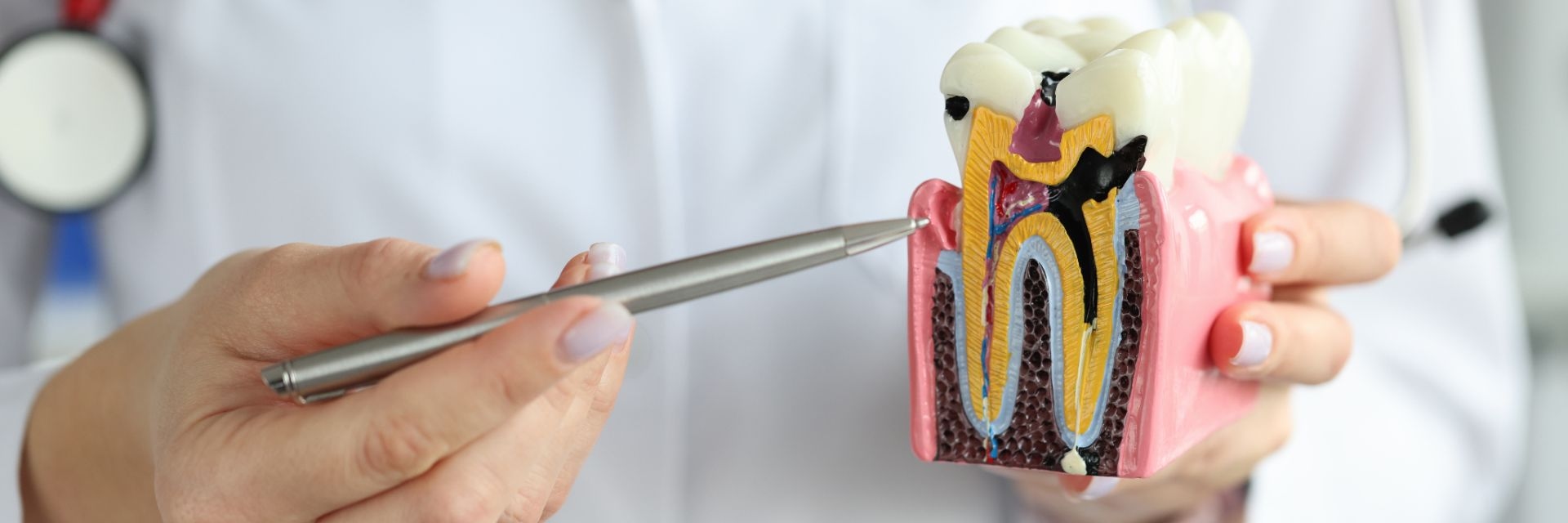
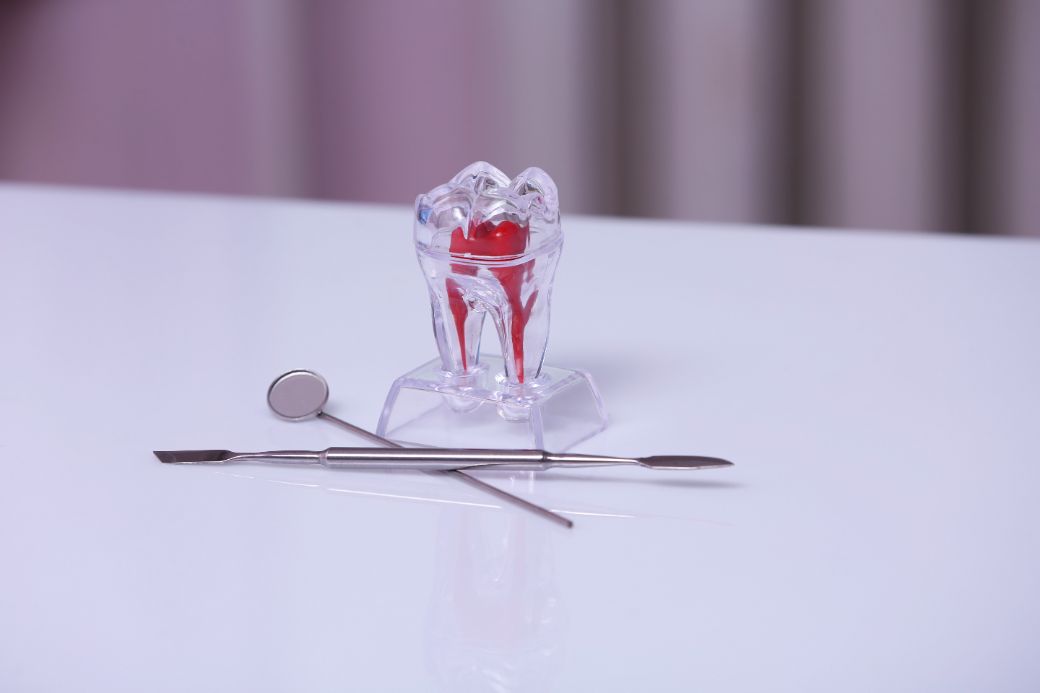
The term „endodontics” comes from the Greek words „endo” (inside) and „odont” (tooth), describing medical therapies that treat the soft living tissue (dental pulp) housed beneath the hard enamel and dentin layers.
The dental pulp contains blood vessels, sensory nerves, and connective tissue essential for tooth development during childhood. In adult teeth, however, a fully formed tooth can survive indefinitely without its pulp, drawing structural support and nutrients from the surrounding periodontal ligament and jawbone. Clinical data published by the American Association of Endodontists (AAE) indicates that preserving the natural tooth root through endodontic therapy prevents bone resorption, maintains natural chewing efficiency, and avoids the significantly higher biological and financial burden of tooth extraction and replacement.
Key Facts: Endodontic Root Canal Therapy
Primary goal: Eradicate bacterial infection, remove diseased pulp, and save the natural tooth
Procedure duration: 60–90 minutes per session (typically completed in 1 or 2 visits)
Pain level: Virtually zero; performed under profound, computerized local anesthesia
Success rate: Over 95% long-term tooth survival with timely coronal restoration
Technology used at Dr. Kurbe: Dental operating microscope (up to 20x magnification), electronic apex locator, ultrasonic irrigation, and laser canal disinfection
Pricing at Dr. Kurbe Clinic: From 800 RON (1 canal) to 1,200 RON (4 canals / molar)
Signs and Symptoms You Need Endodontic Treatment
A damaged or dying dental nerve produces characteristic warning signs that require immediate endodontic assessment:
Severe, spontaneous, or throbbing pain: Toothache that strikes without warning, pulses continuously, or intensifies when lying flat at night.
Lingering thermal sensitivity: Sharp pain triggered by hot coffee, tea, or cold water that persists for 10–30 seconds or longer after the temperature stimulus is removed.
Pain when chewing or touching the tooth: Discomfort caused by vertical biting pressure, signaling that inflammation has spread through the root apex into the surrounding bone.
Swollen gums or pimple-like bump (fistula): A recurrent abscess on the gum line that discharges pus, indicating chronic periapical bone infection.
Dark discoloration of the tooth: Grayish or brownish darkening of the enamel following dental trauma or internal pulp necrosis.
How Microscopic Root Canal Treatment Works: Step-by-Step
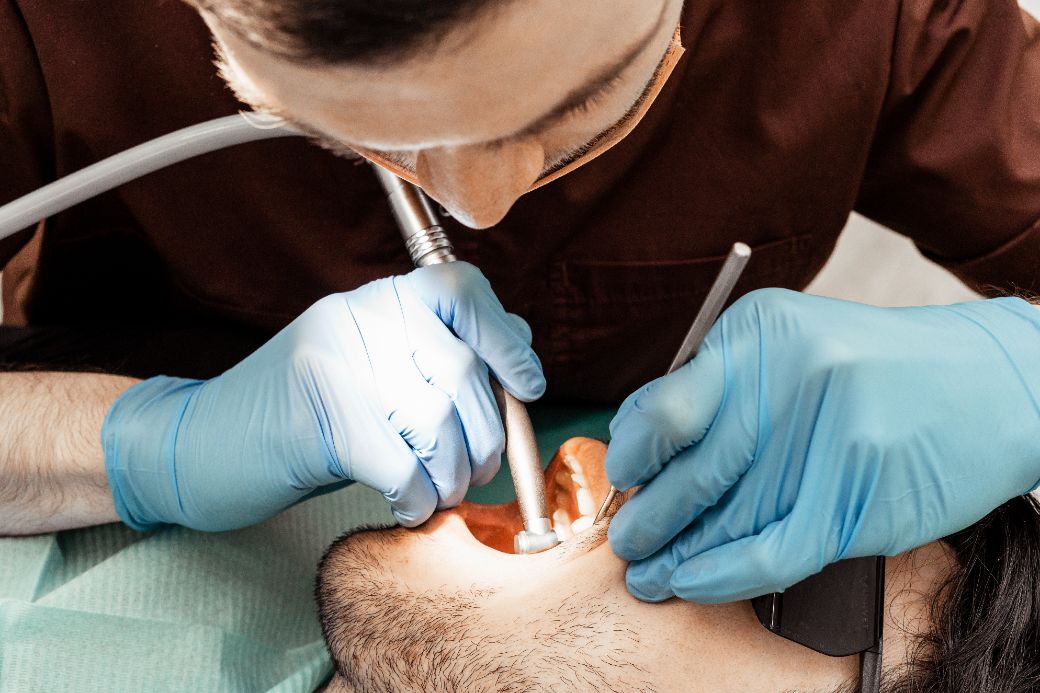
Modern endodontic therapy is a meticulous microsurgical procedure performed through 6 standardized clinical stages:
1. Digital Diagnosis and Anesthesia: A high-resolution digital dental X-ray or 3D CBCT scan maps root curvature and canal numbers. Deep local anesthesia ensures the entire jaw quadrant is completely numb.
2. Rubber Dam Isolation: A flexible, sterile latex or non-latex sheet is placed over the tooth. This prevents saliva and oral bacteria from contaminating the canals while protecting the patient’s throat from disinfectant irrigants.
3. Access and Microscope Visualization: Under high dental microscope magnification, the specialist creates a tiny conservative access opening on the chewing surface, identifying all microscopic main and accessory canal orifices.
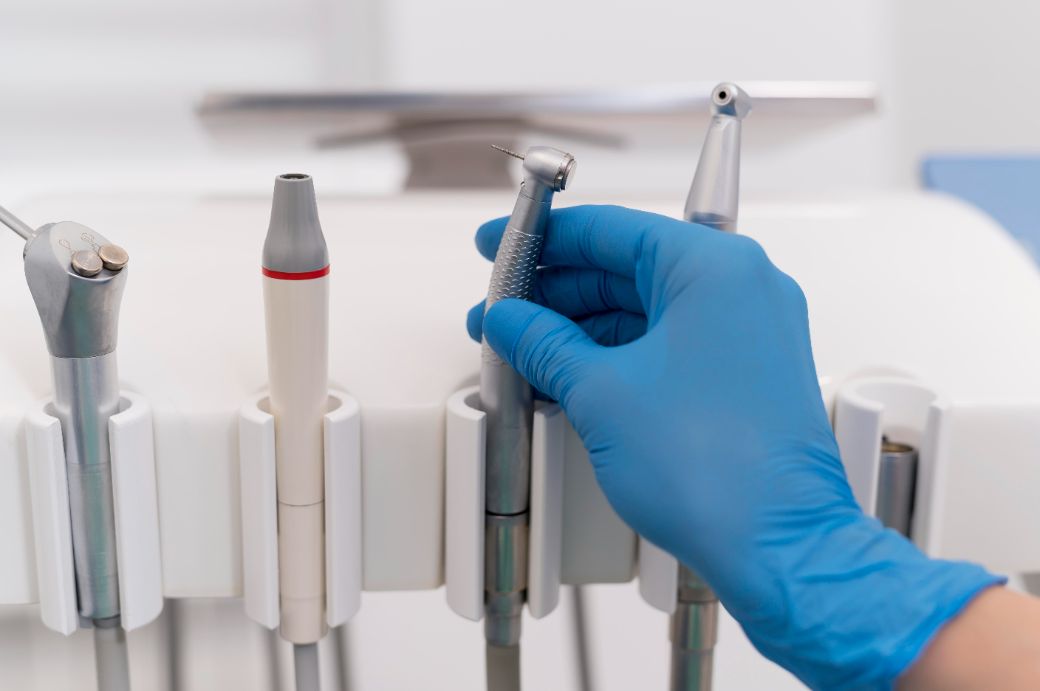
4. Mechanical Shaping and Laser Decontamination: Flexible rotary nickel-titanium files shape the canals while warm antibacterial sodium hypochlorite is ultrasonically agitated to dissolve microscopic biofilms. Laser therapy delivers deep root canal sterilization.
5. Hermetic 3D Canal Obturation: The sterile canals are sealed three-dimensionally using biocompatible gutta-percha points and bioactive sealer cement, preventing future bacterial reinfection.
6. Coronal Restoration: The tooth is restored either with an aesthetic composite dental filling reinforced with a fiberglass post or protected with a custom ceramic/zirconia dental crown to prevent structural fracture.
Root Canal Therapy vs. Tooth Extraction: Which Is Better?
The following table highlights the critical biological and practical differences between saving your tooth with endodontics and extracting it:
Decision Parameter Microscopic Root Canal + Crown Tooth Extraction + Dental Implant Tooth preservation 100% natural tooth root preserved in jaw Natural tooth is permanently lost Invasiveness Conservative (no bone surgery or gum incisions) Surgical extraction, bone grafting, implant surgery Treatment timeline 1–2 weeks (1–2 visits to completion) 3–6 months (bone integration period) Chewing sensation & proprioception Natural periodontal ligament sensations intact Synthetic bone anchoring (reduced sensory feedback) Long-term longevity Can last a lifetime with proper oral hygiene High longevity, but risks peri-implantitis Total cost at Dr. Kurbe 800–1,200 RON (+ crown if required) From 4,750–5,500 RON (implant, abutment, crown)
Recovery and Aftercare: What to Expect
Recovery following a microscopic root canal is straightforward and rarely interrupts daily professional or social activities:
Normal post-treatment sensations: Mild tenderness when chewing or a dull ache in the surrounding jaw tissue is completely normal for 48–72 hours as periapical bone inflammation subsides.
Pain management: Over-the-counter anti-inflammatory medication (such as ibuprofen 400 mg or paracetamol 500 mg) easily controls any post-operative sensitivity.
Eating guidelines: Avoid chewing on hard, crunchy, or sticky foods on the treated side until the permanent restoration (filling or crown) is cemented, as temporary fillings can dislodge.
Oral hygiene: Continue gentle brushing and flossing around the treated tooth immediately. Keeping the gum line clean accelerates healing.
Endodontic Treatment Costs at Dr. Kurbe Clinic
Transparent pricing is a core value at Dr. Kurbe Clinic in Bucharest, Sector 3 (Piața Alba Iulia area). Our microscopic endodontic fees are structured according to tooth complexity and canal anatomy:
Root canal treatment — 1 canal (incisor / canine): 800 RON
Root canal treatment — 2 canals (premolar): 900 RON
Root canal treatment — 3 canals (molar): 1,050 RON
Root canal treatment — 4 canals (complex molar): 1,200 RON
Endodontic retreatment (revision of old infected roots): 900 – 1,250 RON
Fiberglass post with core build-up: 450 RON
Laser root canal decontamination: 100 RON
Canal medication dressing (calcium hydroxide / anti-inflammatory): 100 RON
Full pricing for restorative and prosthodontic services is published transparently on our dental fees page.
Frequently Asked Questions About Endodontics
Does a root canal hurt during the procedure?
No, a modern root canal procedure is completely painless. Thanks to advanced local anesthetics and precise administration techniques, the tooth is entirely numb throughout treatment. In fact, root canal therapy immediately relieves the intense throbbing pain caused by pulp inflammation rather than causing it.
Can a tooth that had a root canal get a cavity again?
Yes. Although the tooth no longer contains a living nerve, the outer enamel and dentin can still develop decay if oral hygiene is neglected. Because there are no sensory nerves to signal pain, regular 6-month check-ups are essential to detect recurrent decay early.
Why is a dental microscope necessary for root canal treatment?
Dental roots contain complex networks of microscopic accessory canals, lateral branches, and calcified passages invisible to the naked eye. Operating microscopes illuminate and magnify the pulp chamber up to 20 times, allowing specialists to disinfect hidden anatomical crevices that conventional treatment misses.
Is a crown always necessary after endodontic therapy?
Posterior teeth (molars and premolars) absorb immense chewing forces and become brittle after losing internal tooth structure to decay. Placing a custom dental crown shields the tooth against catastrophic root fracture. Front incisors with minimal structural loss may only require an aesthetic composite filling.
What happens if I delay or avoid a recommended root canal?
Pulp infections cannot heal on their own. Delaying treatment allows bacterial toxins to spread past the root apex into the jawbone, resulting in severe facial swelling, acute bone loss, throbbing pain, and systemic infection, ultimately leaving surgical extraction as the only remaining option.
Preserve Your Natural Smile at Dr. Kurbe Clinic
Nothing looks, feels, or functions like your natural tooth. If you are experiencing persistent toothache, sensitivity to hot and cold, or have been told you need a root canal, the specialized team in our general dentistry and endodontics department is here to help with painless, precision microsurgery.
To schedule a comprehensive diagnostic examination, book an appointment online or reach out through our contact us page.
Medically reviewed by Dr. Kurbe, Endodontic Specialist. Updated: October 26, 2026.
